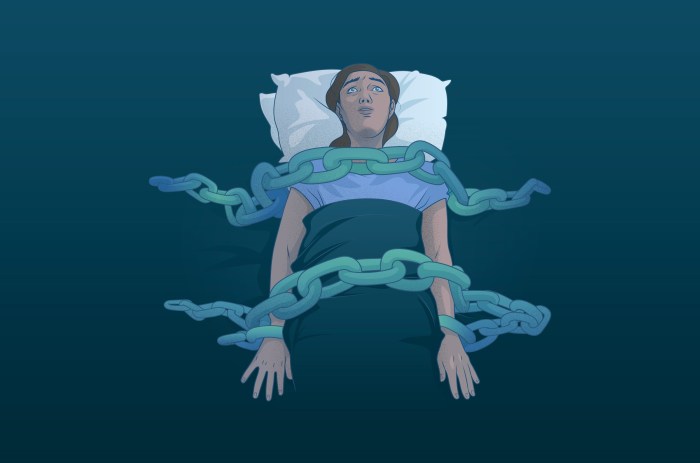
In pastoral ministry, it is not uncommon to encounter individuals who describe unsettling experiences, such as feeling an evil presence, a heavy weight on their chest, or even the sensation of being choked. These experiences can be deeply distressing and often lead people to wonder whether they are under demonic attack. As Catholics, we must approach such accounts with both compassion and discernment. While the Church acknowledges the reality of demonic influence, it also emphasizes that not every unsettling experience has a supernatural cause. Many such phenomena can be explained by natural, psychological, or medical factors. This article will explore these possibilities in detail, providing a balanced perspective that respects both the spiritual and natural dimensions of human experience.
The Reality of Demonic Influence
The Catholic Church teaches that the devil and his demons are real spiritual beings who seek to lead souls away from God. Scripture warns us, “Be sober and vigilant. Your opponent the devil is prowling around like a roaring lion looking for someone to devour” (1 Peter 5:8, NRSV). Demonic influence can manifest in various ways, including temptation, oppression, and, in rare cases, possession. However, the Church also cautions against attributing every unusual experience to demonic activity. The Catechism of the Catholic Church (CCC) reminds us that “the devil and the other demons were indeed created naturally good by God, but they became evil by their own doing” (CCC 391). Their influence is real but limited, and God’s grace is always more powerful.
Natural Explanations for Sensations of Pressure or Choking
Many experiences of feeling a heavy weight on the chest, difficulty breathing, or the sensation of being choked can be explained by natural or psychological causes. Below are some common explanations:
1. Sleep Paralysis
Sleep paralysis is a well-documented phenomenon in which a person, either while falling asleep or waking up, temporarily experiences an inability to move or speak. This condition is often accompanied by vivid hallucinations, including the sensation of a presence in the room, pressure on the chest, or difficulty breathing. These hallucinations can feel intensely real and are sometimes interpreted as supernatural or demonic in nature.
- Scientific Explanation: During REM (rapid eye movement) sleep, the body naturally paralyzes itself to prevent acting out dreams. Sleep paralysis occurs when this mechanism is activated while the person is partially awake. The hallucinations are thought to be a result of the brain’s attempt to make sense of the disconnection between the mind and body.
- Pastoral Response: Individuals experiencing sleep paralysis should be reassured that it is a natural phenomenon and not necessarily a sign of demonic influence. Practicing good sleep hygiene, reducing stress, and maintaining a regular sleep schedule can help mitigate these episodes.
2. Anxiety and Panic Attacks
Anxiety and panic attacks can cause physical symptoms such as chest tightness, shortness of breath, and the sensation of being choked. These symptoms can be so severe that they mimic a heart attack or other life-threatening conditions. During a panic attack, individuals may also experience a sense of impending doom or the feeling of an evil presence.
- Psychological Explanation: Panic attacks are triggered by the body’s “fight or flight” response, which floods the system with adrenaline. This can lead to hyperventilation, muscle tension, and other physical symptoms.
- Pastoral Response: Those experiencing anxiety or panic attacks should seek professional help from a therapist or counselor. Prayer, meditation, and the sacraments can also provide spiritual comfort and strength. The Church encourages the integration of psychological and spiritual care.
3. Sleep Apnea
Sleep apnea is a condition in which breathing repeatedly stops and starts during sleep. This can lead to a sensation of choking or gasping for air, which may be misinterpreted as a supernatural attack.
- Medical Explanation: Sleep apnea is often caused by a blockage of the airway or a failure of the brain to signal the muscles to breathe. It can lead to fragmented sleep and other health complications if left untreated.
- Pastoral Response: Individuals with symptoms of sleep apnea should consult a medical professional. Treatment options include lifestyle changes, the use of a CPAP machine, or surgery in severe cases.
4. Hypnagogic and Hypnopompic Hallucinations
These are vivid hallucinations that occur while falling asleep (hypnagogic) or waking up (hypnopompic). They can include visual, auditory, or tactile sensations, such as the feeling of a presence in the room or pressure on the body.
- Scientific Explanation: These hallucinations are thought to occur due to the brain’s transition between sleep and wakefulness. They are more common in individuals who are sleep-deprived or under stress.
- Pastoral Response: Reassurance and education about the nature of these hallucinations can help alleviate fear. Encouraging healthy sleep habits and stress management techniques is also beneficial.
5. Psychological Trauma
Individuals who have experienced trauma, such as abuse or violence, may have flashbacks or somatic memories that manifest as physical sensations, including pressure on the chest or throat.
- Psychological Explanation: Trauma can cause the body to “remember” past events through physical sensations, even when the conscious mind is not actively recalling the trauma.
- Pastoral Response: Trauma survivors should be encouraged to seek therapy from a licensed mental health professional. The Church also offers the sacraments, particularly Reconciliation and the Eucharist, as sources of healing and grace.
The Role of Discernment
While natural explanations are often sufficient to account for these experiences, the Church does not rule out the possibility of demonic influence in certain cases. Discernment is essential to determine the true nature of such phenomena. The following principles can guide this process:
- Rule Out Natural Causes First: Always consider medical, psychological, and environmental factors before attributing an experience to the demonic.
- Consult Experts: Seek the advice of medical professionals, psychologists, and priests trained in discernment of spirits.
- Look for Signs of the Demonic: The Church identifies specific signs of demonic activity, such as aversion to sacred objects, knowledge of hidden things, and speaking in unknown languages. These signs are rarely present in cases with natural explanations.
- Pray for Guidance: Discernment is a spiritual process that requires prayer, fasting, and reliance on the Holy Spirit.
Pastoral Care and Spiritual Support
For individuals experiencing these sensations, the Church offers a range of spiritual resources:
- Sacraments: Regular participation in the sacraments, particularly Reconciliation and the Eucharist, strengthens the soul against all forms of evil.
- Prayer: Prayers of deliverance, the Rosary, and the Liturgy of the Hours can provide spiritual protection.
- Sacramentals: The use of holy water, blessed salt, and the St. Benedict medal can be powerful tools against demonic influence.
- Community Support: Encouraging individuals to share their experiences with trusted friends, family, or a spiritual director can help alleviate fear and isolation.
Conclusion
Experiences of pressure, choking, or an evil presence can be deeply unsettling, but they are not always signs of demonic influence. The Church encourages us to approach such phenomena with discernment, considering both natural and supernatural explanations. By integrating medical, psychological, and spiritual care, we can provide holistic support to those in need. Let us remember the words of St. Paul: “God is faithful, and he will not let you be tested beyond your strength, but with the testing he will also provide the way out so that you may be able to endure it” (1 Corinthians 10:13, NRSV). May we always turn to Christ, our healer and protector, in times of fear and uncertainty.


 Vox Divini