In today’s busy world, it’s easy to feel distracted, tired, or unmotivated. Many people struggle to stick with good habits or push through tough moments. But exciting new discoveries in brain science show that we can actually train our brains to get better at willpower and staying strong. There’s a special part of the brain called the anterior midcingulate cortex (or aMCC for short) that acts like the “control center” for motivation, persistence, and the drive to keep going even when things are hard.
A simple practice called spiritual fencing can help grow this brain area naturally. It involves taking charge of your thoughts by focusing on everyday tasks with full attention. This not only helps you spiritually but also makes your brain stronger and more resilient. In this article, we’ll explain the science in easy terms, describe how to do spiritual fencing step by step, and show how it leads to real improvements in your life. By the end, you’ll see why starting this practice could be one of the best things you do for yourself.
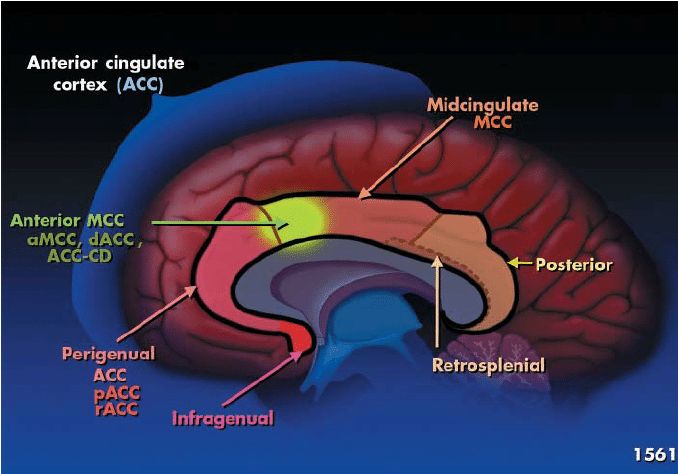
The anterior midcingulate cortex (aMCC) is highlighted in diagrams like these – it’s the key brain area for willpower.
What Is the Anterior Midcingulate Cortex and Why Does It Matter?
Your brain is amazing because it can change and grow throughout your life. This ability is called neuroplasticity – it means new experiences and habits can literally reshape your brain’s connections and even make certain parts bigger.
The aMCC is a small but powerful region located in the middle of your brain, in a folded area called the cingulate gyrus (which curves around the center like a belt). It works as a “hub” that connects different parts of the brain: the thinking area (for decisions), the emotional area (for feelings), and the action area (for movement).
Here’s what the aMCC does in simple terms:
- It helps you decide if something hard is worth the effort (like choosing to exercise instead of resting).
- It keeps you going when you feel resistance, pain, or boredom.
- It handles motivation, especially for long-term goals.
- It regulates emotions, like dealing with stress or disappointment.
Scientists, including neuroscientist Andrew Huberman, have found that this brain part is larger in people who are very determined – for example, top athletes, people who successfully lose weight and keep it off, or those who stay positive in tough times. On the other hand, it’s often smaller in people who struggle with motivation, like those with depression or habits they can’t break.
The best news? The aMCC grows when you regularly do things that feel uncomfortable or that you don’t really want to do at first. Each time you push through, your brain builds stronger pathways, making it easier to stay motivated next time. This growth can improve your overall “will to live,” help you live longer healthily, and make you more resilient to life’s challenges.

Illustrations of neuroplasticity show how the brain can grow new connections through repeated practice.
What Is Spiritual Fencing and How Do You Do It?
Spiritual fencing is an easy-to-learn practice that helps you take control of your mind instead of letting random thoughts and distractions control you. Our minds are never truly empty – they’re always buzzing with ideas, worries, memories, or daydreams. Trying to “stop thinking” usually doesn’t work well.
Instead, spiritual fencing teaches you to gently direct your mind toward good, useful things. You do this by focusing fully on your normal daily duties. It’s called “fencing” because you’re building a protective boundary around your attention, keeping distractions out.
Here’s how to practice it step by step:
- Pick Ten Daily Activities: Start by choosing exactly ten things you already do (or should do) in your everyday life. These should fit your role – for example:
- If you’re a priest: Preparing a homily, visiting the sick, praying the Divine Office.
- If you’re an office worker: Answering emails, attending meetings, planning your day.
- If you’re a student: Studying lessons, doing homework, helping at home.
- If you’re a parent: Cooking meals, playing with kids, cleaning. Include a variety: some easy ones you enjoy, and some harder ones you’ve been avoiding (like exercising, apologizing to someone, or tackling a boring chore). This mix is important because the challenging ones really help build willpower.
- Focus Fully During the Day: Whenever you do one of these ten activities, pay complete attention to it. Be fully present – notice what you’re doing, feeling, and thinking right in that moment. For example, if washing dishes is on your list, focus on the warm water, the soap bubbles, and the clean plates, without letting your mind wander to worries or phone notifications. This is like mindfulness, but tied to real-life tasks.
- Evaluate Yourself in the Evening: At the end of each day, take a quiet moment to review. For each of the ten activities, give yourself a score from 0 to 10:
- 10 means you stayed completely focused with no distractions.
- Lower scores (like 5 or 6) if your mind wandered a lot.
- Be honest – this helps you see patterns and improve. You can write this in a simple notebook or journal. Over time, you’ll notice your average scores going up as your focus gets stronger.
Doing this every day trains your mind to stay calmer and more directed. It also challenges you to face small discomforts, which is exactly what grows your willpower.
How Spiritual Fencing Actually Grows Your Brain and Willpower
The magic happens because spiritual fencing matches perfectly with how the aMCC works and grows:
- When you choose a hard task (like one you’ve been lazy about) and focus on it anyway, you’re overcoming inner resistance. This activates the aMCC strongly, sending signals that “this effort is worth it.”
- Redirecting your attention from distractions back to the task trains the brain’s control systems. The aMCC gets better at spotting when you’re off-track and helping you refocus.
- Including uncomfortable activities forces you to push through “I don’t feel like it” moments – the very thing that makes the aMCC larger over time (usually noticeable after weeks or months of consistency).
- The evening review adds extra benefit: reflecting on your day helps the brain learn from experience, strengthening those new pathways even more.
As your aMCC grows, you’ll naturally feel more motivated. Tasks that used to feel draining become easier. You’ll handle stress better, make smarter choices, and feel a deeper sense of purpose. Spiritually, it helps you stay closer to God by reducing mental noise during prayer or service.
The Many Benefits You’ll Experience
People who practice spiritual fencing regularly see changes in many areas:
- Better Focus and Productivity: You get more done in less time, with clearer thinking and fewer procrastination habits.
- Stronger Willpower and Motivation: It’s easier to stick to goals, like healthy eating, regular exercise, or spiritual commitments.
- Improved Emotional Health: Less anxiety from racing thoughts, more peace and joy from being present.
- Deeper Spiritual Growth: Better attention during prayer, reading Scripture, or helping others – leading to a closer relationship with God.
- Greater Resilience: You bounce back faster from setbacks, feeling more in control of your life.
These benefits build gradually, but many notice improvements within the first few weeks.
Start Your Journey Today
The science of the anterior midcingulate cortex proves that willpower isn’t just something you’re born with – you can build it through simple, repeated choices. Spiritual fencing is a gentle yet powerful way to do exactly that, using your normal daily life as the training ground.
Why not try it? Tonight, list your ten activities. Tomorrow, start focusing mindfully and end with an honest review. Stick with it, and watch your brain – and your life – grow stronger. You’ll gain more motivation, peace, and strength for whatever comes your way. It’s a small daily effort with big, lasting rewards. Your future self will be grateful you started!


 Vox Divini