
Navigating through Needs, Wounds  and Identity

The Genesis of Need: The Garden and the Illusion In the Garden of Eden, humanity existed in a state of Perfect Integration. Adam and Eve had needs (for food, companionship, and purpose), but these needs were perfectly met in their relationship with God. They acted out of their Identity as “Image-Bearers.” The Fall began with…

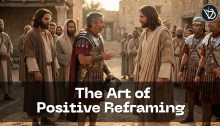
The Art of Positive Reframing

In Matthew chapter 8, a centurion approaches Jesus with a request: “Lord, my servant lies at home paralyzed and in terrible distress.” Jesus immediately responds, “I will come and heal him.” The centurion replies, “Lord, I am not worthy to have you come under my roof, but only say the word, and my servant will…

Joyful Mysteries in the Vox Divini Way

Praying the Rosary while reflecting on the Joyful Mysteries is a deeply moving experience, inviting us into the joy and love of Jesus and Mary. Yet, distractions can make it challenging for some of us to stay focused. These notes, with their vivid scenes and personal conversations with Jesus, can help ground our hearts, especially…

The Role of Memory & Imagination, Intellect & Emotion, and Will & Action in Vox Divini Meditation

In Christian anthropology, the human soul possesses faculties that reflect the imago Dei. St. Augustine, in De Trinitate (Book X), describes memory, intellect, and will as a trinitarian analogy for the Father, Son, and Holy Spirit. Memory stores divine truths. Intellect understands them. Will chooses to act in love. St. Ignatius of Loyola, in his…

The Consequences of the Evil One’s Illusions (Part 2)

In an article, we explored the subtle strategy of temptation employed by the evil one, as revealed in Genesis 3. This strategy unfolds through four stages: breaking boundaries, introducing an external element, affecting convictions, and causing individuals to forget their true identity. Now, let us examine the consequences of these illusions, which lead to a…